

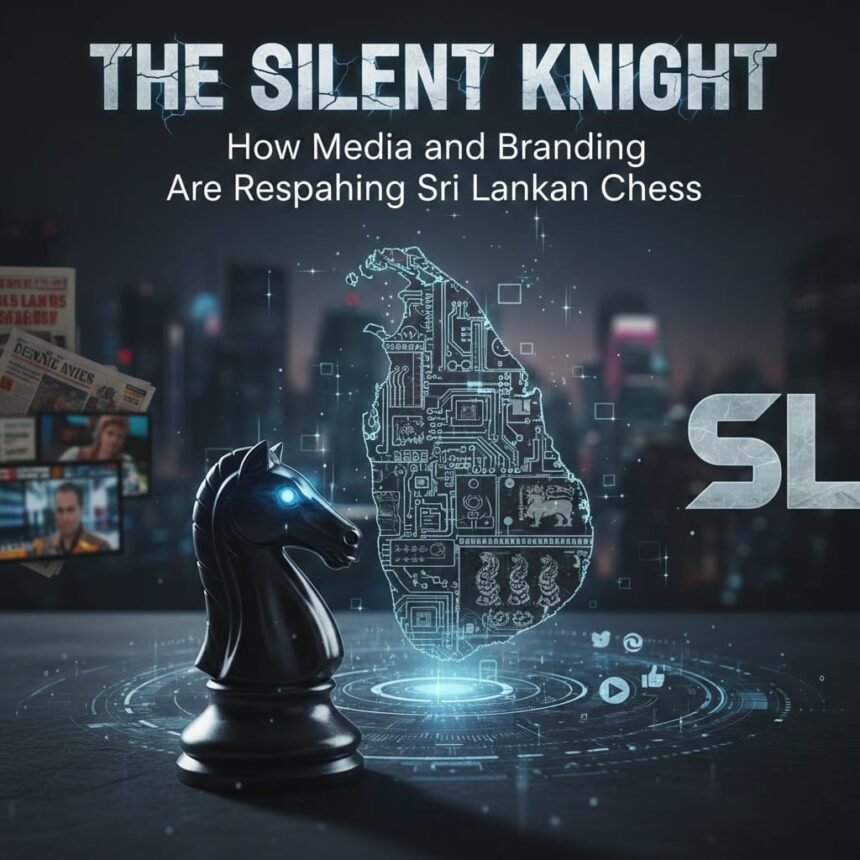
In 1992, a Sri Lankan chess player returned home with a gold medal from the World Chess Olympiad in Manila. At the airport, only family members waited—no reporters, no cameras, no celebration. That moment of silence taught an important lesson: winning isn’t enough if nobody knows about it.
This is exactly why media coverage matters for growing chess in our country.
Making Chess Visible
Sri Lanka has always had chess talent. From young players winning international age-group tournaments to our country producing multiple titled players, the skill has never been the problem. The problem has been visibility. When achievements happen in silence, they inspire no one. They don’t encourage a child in Galle or Jaffna to pick up their first chess piece.
Media coverage transforms individual wins into shared cultural moments. When news spreads about a Sri Lankan player achieving a milestone—whether it’s earning a title, winning a tournament, or representing the country internationally—it sends a powerful message: chess matters here. Parents start paying attention. Schools begin considering chess clubs. Young players see a path they can follow.
Without media telling these stories, each achievement exists in isolation, like a tree falling in an empty forest.
Building the Chess Brand
This is where platforms like ChessSL play a crucial role. By consistently sharing news, tournament results, player profiles, and chess education content, we’re not just reporting—we’re building a brand for Sri Lankan chess. We’re creating an identity that people can connect with.
A strong chess brand means parents know where to find information about tournaments. Players know where to learn about upcoming events. Media outlets know where to get accurate chess news. This consistency builds trust and creates a community around the game.
The Chess Federation’s efforts to organize regular tournaments, conduct coaching programs, and host international events all contribute to this brand. When people see chess activities happening consistently across the country, they begin to view chess not as an obscure hobby but as a legitimate sport with structure and opportunity.
The Power of Storytelling
But facts and figures alone don’t inspire people—stories do. Every chess player has a journey. Maybe they learned the game from a teacher who stayed after school to coach them. Perhaps they saved money to buy their first chess clock. Maybe they lost their first ten games before finally winning one.
These human stories create emotional connections. They show that chess champions aren’t born with special gifts—they’re ordinary people who worked hard, faced setbacks, and persevered. When we share these narratives through articles, interviews, and social media, we make chess feel accessible. We prove that anyone can start this journey.
Celebrating All Achievements
Not every achievement involves gold medals or international titles, and that’s okay. When we recognize a player crossing a rating milestone, a student winning their first school tournament, or a club organizing its hundredth meeting, we’re acknowledging the full spectrum of chess progress.
These smaller milestones matter because they’re realistic and achievable. A beginner might not dream of becoming a grandmaster, but they can dream of winning their district tournament or earning their first FIDE rating. When media platforms celebrate these steps, we encourage more people to begin their chess journey.
Preserving Our Chess Heritage
Every article we publish, every photograph we archive, and every interview we conduct becomes part of Sri Lankan chess history. Fifty years from now, when someone wants to learn about chess in our country, these records will tell the story.
Digital preservation ensures that achievements don’t fade from memory. It creates continuity—showing current players they’re part of a tradition that stretches back decades. They’re not starting from nothing; they’re building on the efforts of those who came before.
Moving Forward Together
Today, Sri Lanka has a growing chess community with talented players, dedicated coaches, and increasing recognition. This didn’t happen by chance. It happened because people chose to share stories, document achievements, and build a brand around chess.
The knight moves in an unusual L-shape on the chessboard—progress in building chess culture works similarly. It requires strategic moves in multiple directions: media coverage here, community building there, education in another corner. But piece by piece, move by move, the game grows.
At ChessSL, we’re committed to being part of this growth. Every story we share, every achievement we highlight, and every resource we provide helps strengthen Sri Lankan chess culture. Because we believe that when one player succeeds, we all move forward.
The board is set. The pieces are ready. And the story of Sri Lankan chess is still being written—one move at a time.